This Is What a Vinegar Foot Bath Can Do for Your Feet
Our feet work harder than almost any other part of the body, yet they’re often the most neglected. They spend long hours confined in shoes, exposed to moisture, friction, and bacteria. Over time, this can lead to common issues like fungal infections, unpleasant odor, dry skin, and painful cracks.
One surprisingly simple home remedy that has gained attention is a vinegar foot bath. While it’s not a replacement for medical treatment, soaking your feet in a diluted vinegar solution may help address several mild foot concerns when used consistently and correctly.
Here’s what a vinegar foot soak can do—and how to use it safely.
May Help Reduce Athlete’s Foot Symptoms

Athlete’s foot is a fungal infection that typically appears between the toes or along the soles of the feet. It often causes itching, redness, flaking skin, and sometimes blisters. Contrary to popular belief, it isn’t limited to locker rooms or swimming pools—it can develop anywhere moisture and warmth allow fungi to thrive.
Vinegar contains acetic acid, which creates an environment that fungi struggle to survive in. While it won’t instantly cure an infection, regular vinegar foot soaks may help slow fungal growth and reduce surface-level symptoms in mild cases.
Many people find that consistent soaking helps calm itching and dryness, especially when combined with proper foot hygiene and thorough drying after each soak.
Can Help Control Foot Odor
Foot odor usually isn’t caused by sweat alone—it’s the result of bacteria breaking down sweat on the skin and inside shoes. When moisture is trapped for long periods, bacteria multiply, leading to persistent smells.
Vinegar’s antibacterial properties may help reduce the bacteria responsible for odor. A foot bath can neutralize odor-causing compounds and discourage bacterial overgrowth.
After soaking, it’s important to rinse your feet with clean water and dry them completely. This prevents lingering vinegar scent and reduces moisture that could trigger odor again.
May Soften Dry Skin and Cracked Heels
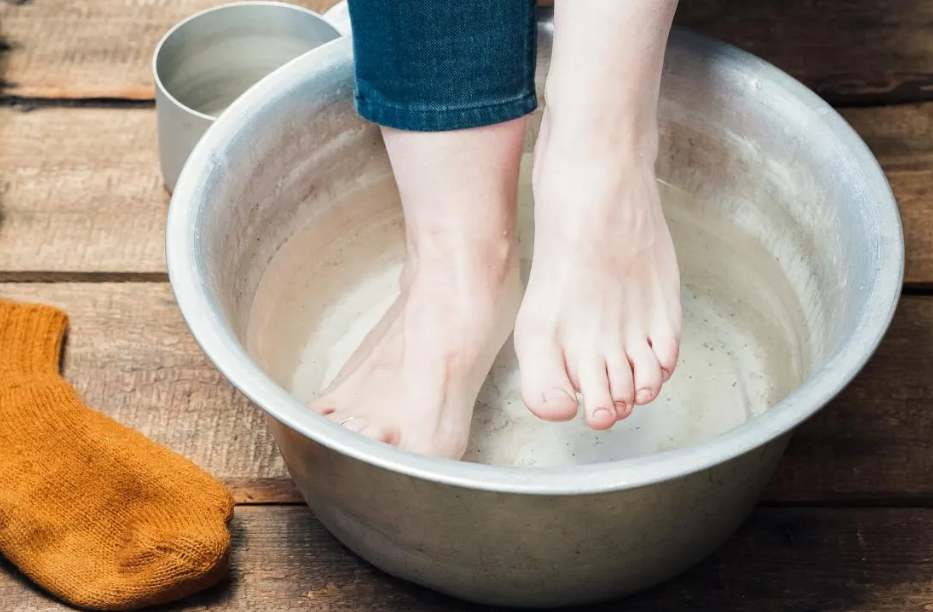
Dry, rough skin and cracked heels are more than cosmetic issues. Over time, deep cracks can become painful and even prone to infection.
The mild acidity of vinegar can help loosen dead skin cells, making it easier for the skin to absorb moisture afterward. Many people notice that their feet feel smoother and less tight after regular vinegar soaks, especially when followed by a thick moisturizer or foot cream.
This gentle exfoliating effect can make vinegar foot baths a useful addition to a broader foot-care routine.
Supports Overall Foot Hygiene
Beyond addressing specific concerns, vinegar foot soaks may help maintain general foot cleanliness. Regular soaking can reduce surface bacteria, refresh tired feet, and encourage people to pay more attention to foot care—something many overlook until discomfort appears.
That said, vinegar soaks should be avoided on open wounds, deep cracks that bleed, or severely inflamed skin, as the acidity can cause irritation.
How to Make a Vinegar Foot Bath at Home
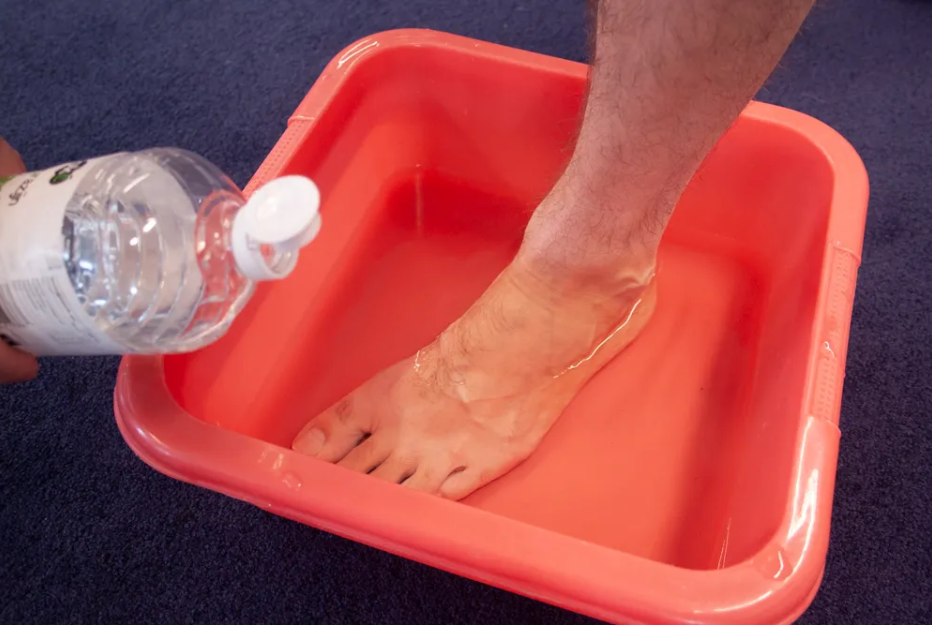
Creating a vinegar foot soak is simple and inexpensive.
What You’ll Need:
- 1 cup vinegar (white or apple cider both work)
- 2 cups warm water
- A basin or tub large enough for your feet
Instructions:
- Pour one cup of vinegar into the basin.
- Add two cups of warm (not hot) water.
- Continue adding vinegar and water in the same ratio until your feet can be fully submerged.
- Soak your feet for 10–20 minutes.
- Rinse your feet with clean water.
- Dry thoroughly, especially between the toes.
This soak can be done once daily for short periods if symptoms are mild. Consistency matters more than intensity.
Important Safety Notes
- Stop use if you experience burning, stinging, or increased irritation.
- Do not use on broken skin or open wounds.
- People with diabetes or circulation issues should consult a healthcare provider before trying home foot remedies.
- Persistent infections, pain, or cracking should be evaluated by a medical professional.
A Simple Addition to Your Foot Care Routine
A vinegar foot bath won’t replace professional treatment, but it can be a helpful, low-cost option for managing mild foot issues and improving overall foot comfort. When paired with proper hygiene, breathable footwear, and regular moisturizing, it may support healthier feet over time.
Sometimes, the simplest remedies are the ones that encourage us to slow down and take better care of ourselves—starting from the ground up.