6 Pressure Points That May Help Ease Anxiety Naturally
Anxiety is a common experience, affecting people in different ways and at different intensities. While standard treatments such as therapy, medication, or a combination of both remain the foundation of anxiety management, many people also explore complementary approaches to help calm their nervous system in the moment. One such option is acupressure, a technique rooted in traditional Chinese medicine that involves applying pressure to specific points on the body.
Acupressure is believed to influence the body’s energy pathways, or meridians, helping restore balance and promote relaxation. Although it is not a cure for anxiety, some people find it helpful for reducing tension, calming racing thoughts, and easing physical symptoms such as muscle tightness or restlessness. Below are six commonly used pressure points that may provide short-term anxiety relief when used safely and mindfully.
Hall of Impression Point (Yintang)
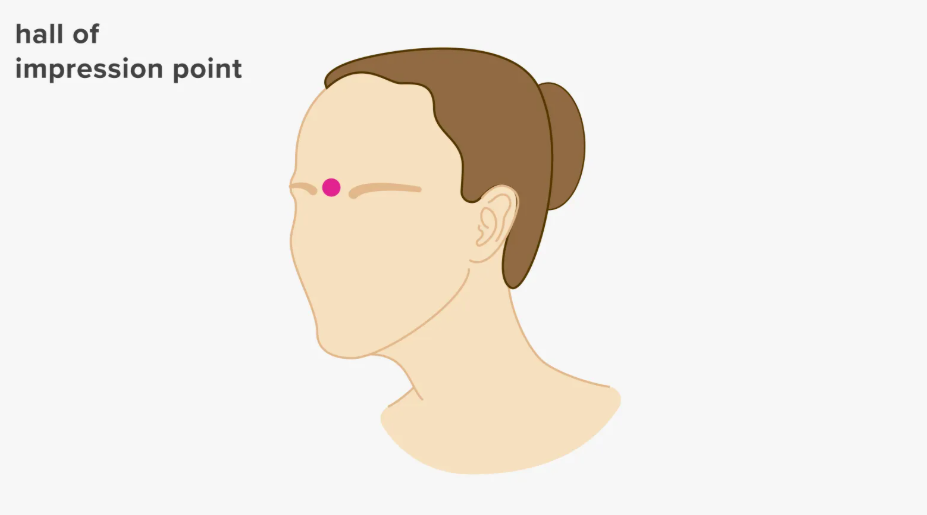
The Hall of Impression point, also known as Yintang or the “third eye” point, is located between the eyebrows, just above the bridge of the nose. This point is traditionally associated with mental clarity, emotional balance, and stress relief.
Applying gentle pressure here may help calm the mind, reduce anxious thoughts, and promote relaxation. Many people also use this point to ease headaches or support better sleep.
To stimulate this point, sit or lie down in a comfortable position. Gently press the area between your eyebrows using your thumb or index finger. Apply steady, circular pressure while taking slow, deep breaths for several minutes. Closing your eyes during this process may enhance the calming effect.
Heavenly Gate Point (Shen Men)
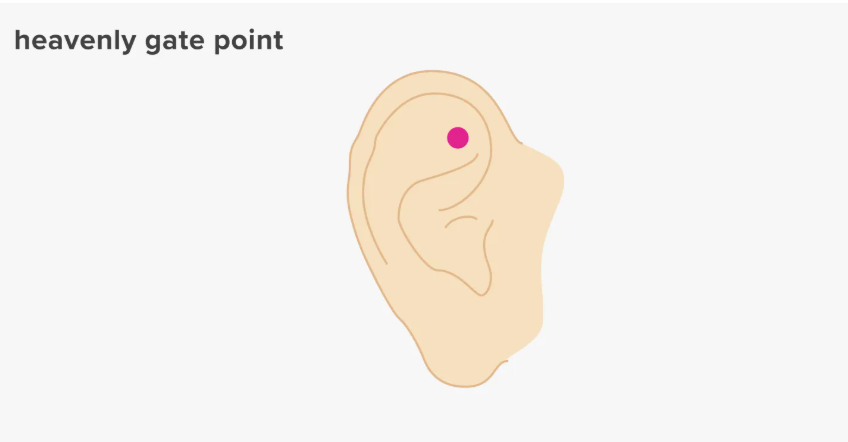
The Heavenly Gate point, known as Shen Men, is found in the upper part of the ear, within a small triangular hollow in the cartilage. This point is commonly used in ear acupressure and is associated with emotional regulation and relaxation.
Stimulating this point may help reduce anxiety, ease stress, and improve sleep quality. Some people also find it helpful for calming nervous tension during overwhelming moments.
To activate this point, locate the small hollow in the upper ear cartilage. Using your fingertip, apply gentle but firm pressure in a circular motion for about one to two minutes. You may repeat this on both ears if desired.
Shoulder Well Point (Jian Jing)
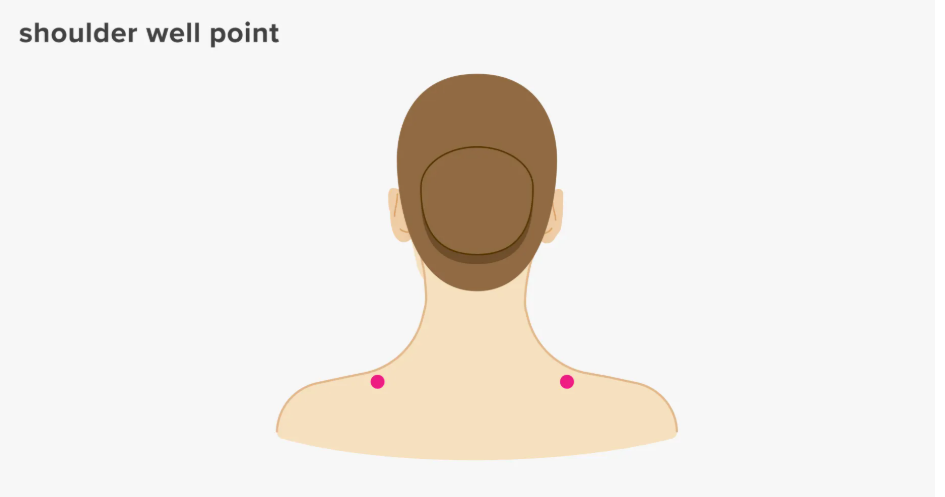
The Shoulder Well point, or Jian Jing, is located in the shoulder muscle, roughly halfway between the base of the neck and the outer edge of the shoulder. This point is often used to relieve physical tension that accumulates from stress.
Applying pressure here may help reduce muscle tightness, tension headaches, and stress-related discomfort. However, this point is also known to stimulate uterine contractions, so it should be avoided during pregnancy.
To use this point, gently pinch the shoulder muscle between your thumb and fingers. Apply pressure for a few seconds, release, and repeat several times. Keep your breathing slow and steady while doing this.
Union Valley Point (He Gu)
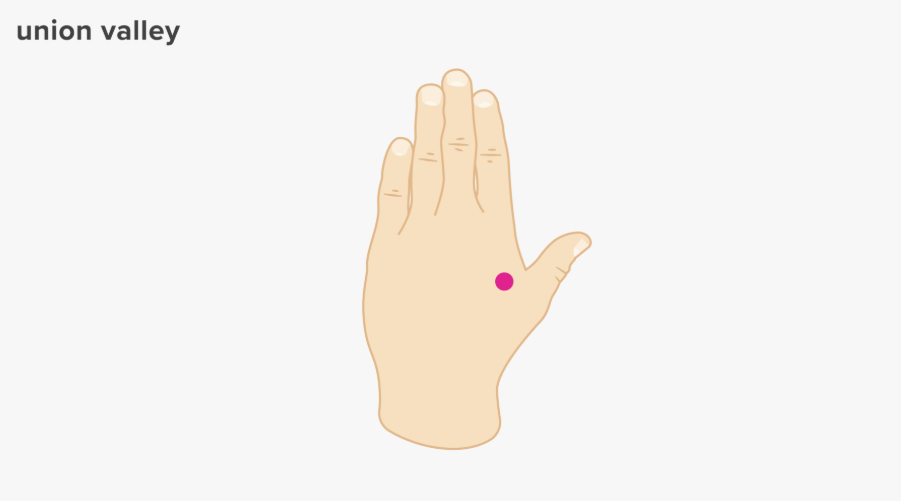
The Union Valley point, also called He Gu, is located in the soft webbing between the thumb and index finger. This is one of the most commonly used acupressure points and is associated with stress relief and pain reduction.
Stimulating this point may help ease anxiety, headaches, neck tension, and general stress. Like the Shoulder Well point, it should be avoided during pregnancy.
To activate this point, squeeze the webbing between your thumb and index finger using firm pressure. Hold for several seconds while breathing deeply, then release. You can repeat this process a few times on each hand.
Great Surge Point (Tai Chong)
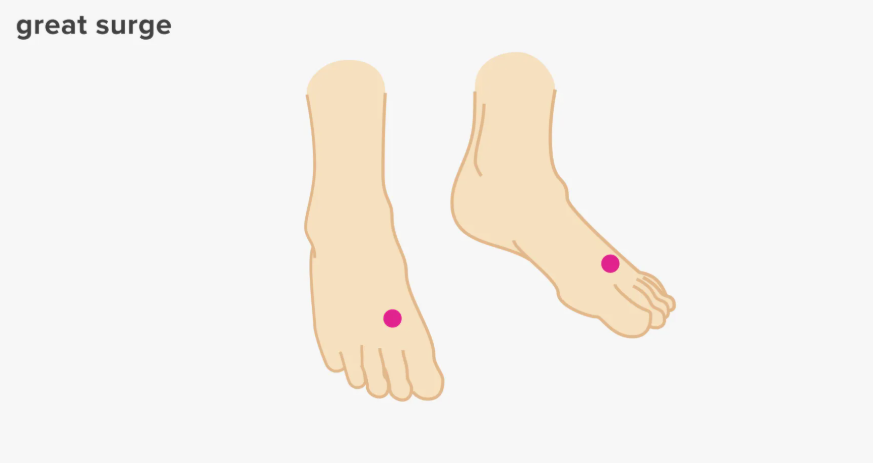
The Great Surge point, known as Tai Chong, is located on the top of the foot, in the hollow between the big toe and second toe, a short distance down toward the arch. This point is associated with emotional regulation and relaxation.
Applying pressure here may help reduce anxiety, irritability, stress, and even physical symptoms such as menstrual discomfort or sleep disturbances.
To stimulate this point, press firmly into the hollow area with your thumb and massage gently for several seconds. Repeat on both feet while maintaining slow, controlled breathing.
Inner Frontier Gate Point (Neiguan)
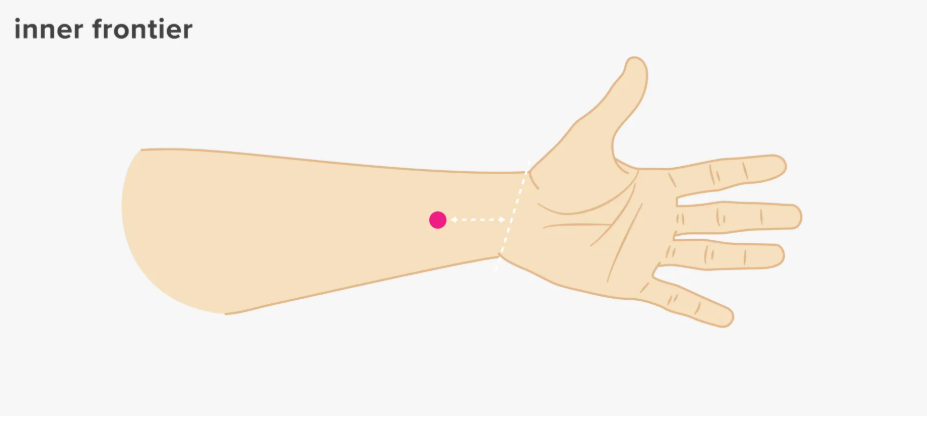
The Inner Frontier Gate point, or Neiguan, is located on the inner forearm, about three finger-widths below the wrist crease, between two tendons. This point is commonly used to relieve nausea, anxiety, and emotional tension.
Stimulating Neiguan may help calm the nervous system, ease anxious sensations, and reduce physical discomfort associated with stress.
To use this point, turn your palm upward and locate the area between the tendons. Apply steady pressure with your thumb and massage gently for several seconds. Repeat on the opposite arm if desired.
What Research Says About Acupressure for Anxiety
Scientific research on acupressure for anxiety is still limited, but existing studies suggest potential short-term benefits. Several small studies have shown that acupressure may reduce anxiety before stressful situations such as medical procedures. Other research has found improvements in fatigue, stress levels, and emotional discomfort in people dealing with chronic illness or high-stress environments.
While these findings are encouraging, experts agree that acupressure appears to offer temporary relief rather than a long-term solution. Larger, more comprehensive studies are still needed to fully understand its effectiveness.
When to Seek Professional Help
Acupressure can be a useful self-care tool, but it should not replace professional treatment for ongoing or severe anxiety. If anxiety begins to interfere with daily activities, work, relationships, or sleep, it’s important to speak with a healthcare provider or mental health professional.
Seek professional help if you experience persistent anxiety, panic attacks, sleep disturbances, physical symptoms such as headaches or digestive issues, feelings of depression, or thoughts of self-harm. Support is available, and early intervention can make a meaningful difference.
Final Thoughts
Acupressure offers a gentle, accessible way to manage anxiety symptoms in the moment. While it may not address the root cause of anxiety, using these pressure points during stressful situations can promote relaxation and provide temporary relief.
For best results, acupressure should be used alongside evidence-based treatments such as therapy, medication when appropriate, and healthy stress-management practices. Making informed choices and seeking professional guidance when needed remains the most effective approach to long-term mental well-being.