10 Exercises That Can Help Tone Your Entire Body From Head to Toe
Toning your entire body doesn’t require extreme workouts, expensive equipment, or hours spent at the gym. What truly makes a difference is choosing the right exercises and performing them consistently. When movements engage multiple muscle groups, improve balance, and build strength at the same time, they create results that are not only visible but also long-lasting.
If practiced regularly—even just two to four times a week—these exercises can improve muscle tone, endurance, coordination, posture, and overall functional fitness. Many people notice changes in strength and stability within a few weeks, especially when combined with mindful movement and proper recovery.
These ten exercises form a balanced, full-body routine that can be adapted for beginners, intermediate exercisers, or anyone returning to fitness after a break.
1. Lunges for Strength, Balance, and Mobility
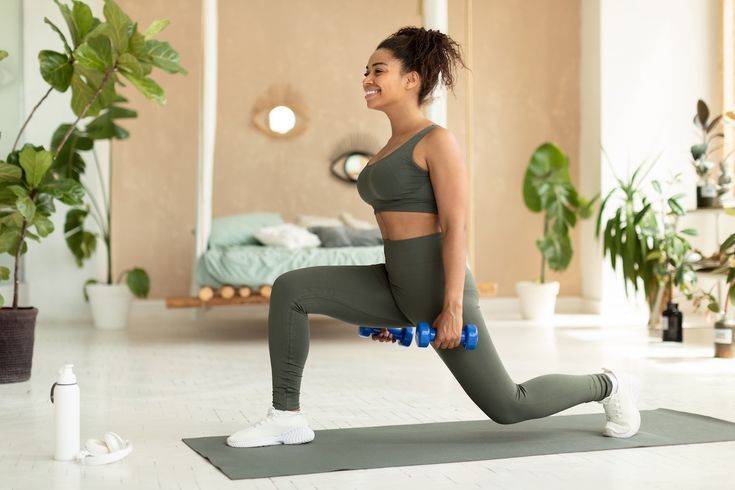
Lunges are one of the most effective lower-body exercises because they mimic natural movement patterns like walking, climbing stairs, and bending. They strengthen the quadriceps, hamstrings, and glutes while also challenging balance and coordination.
To perform a lunge, stand upright with your feet hip-width apart. Step forward with one leg and slowly lower your body until both knees are bent, keeping your torso tall. Your front knee should stay aligned with your ankle. Push through your front heel to return to standing, then switch legs.
Beyond muscle tone, lunges improve joint stability and hip mobility, which helps protect the knees and lower back during daily activities.
2. Pushups for Upper-Body and Core Power
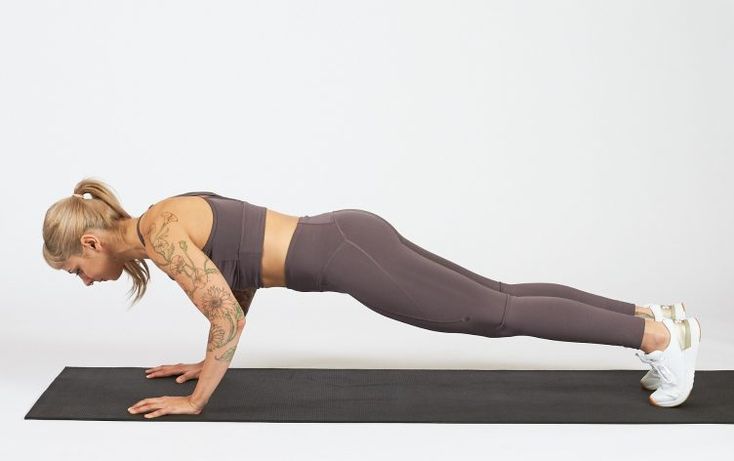
Pushups are a foundational bodyweight exercise that activates the chest, shoulders, triceps, core, and even the legs when performed correctly. They build upper-body strength while reinforcing proper posture and core engagement.
Begin in a plank position with your hands placed slightly wider than shoulder-width. Keep your body in a straight line from head to heels as you lower yourself toward the floor. Press back up with control.
If standard pushups are too challenging, modifying the movement by placing your knees on the floor still delivers significant benefits and allows you to build strength safely over time.
3. Squats to Activate Major Muscle Groups
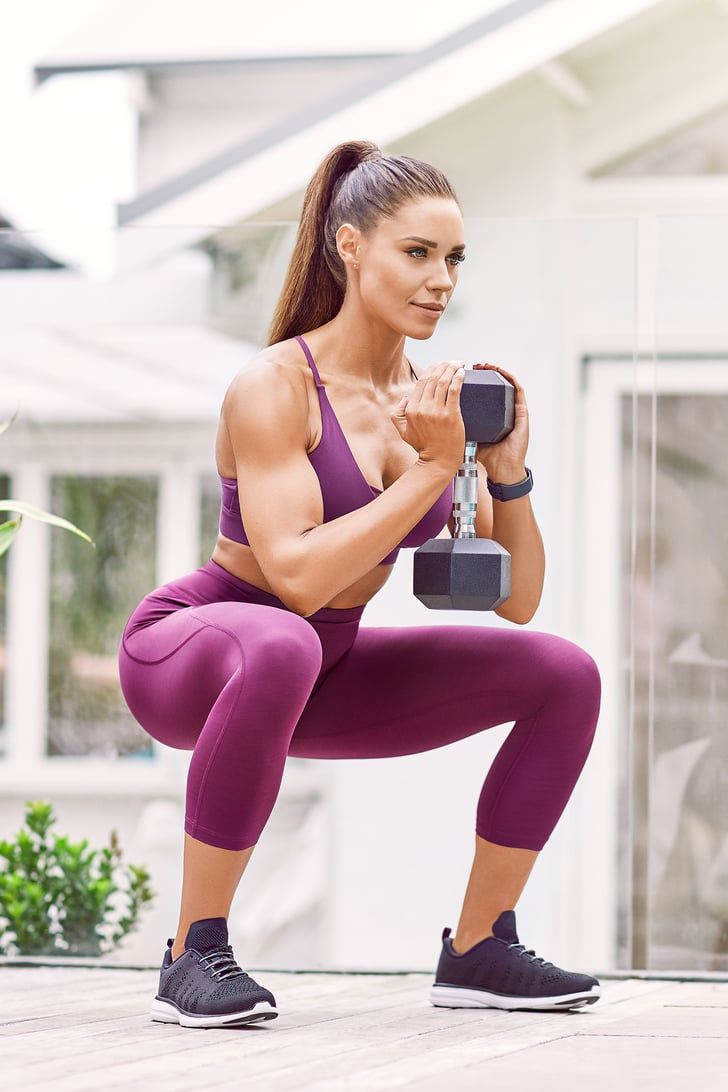
Squats are a cornerstone exercise for total-body fitness. They strengthen the legs and glutes while engaging the core and improving hip flexibility.
Stand with your feet slightly wider than shoulder-width apart. Push your hips back and bend your knees as if sitting into a chair. Keep your chest lifted and your core braced as you lower down. Drive through your heels to stand back up.
Because squats activate some of the largest muscles in the body, they also boost calorie burn and help improve metabolic efficiency.
4. Standing Overhead Press for Upper-Body Strength
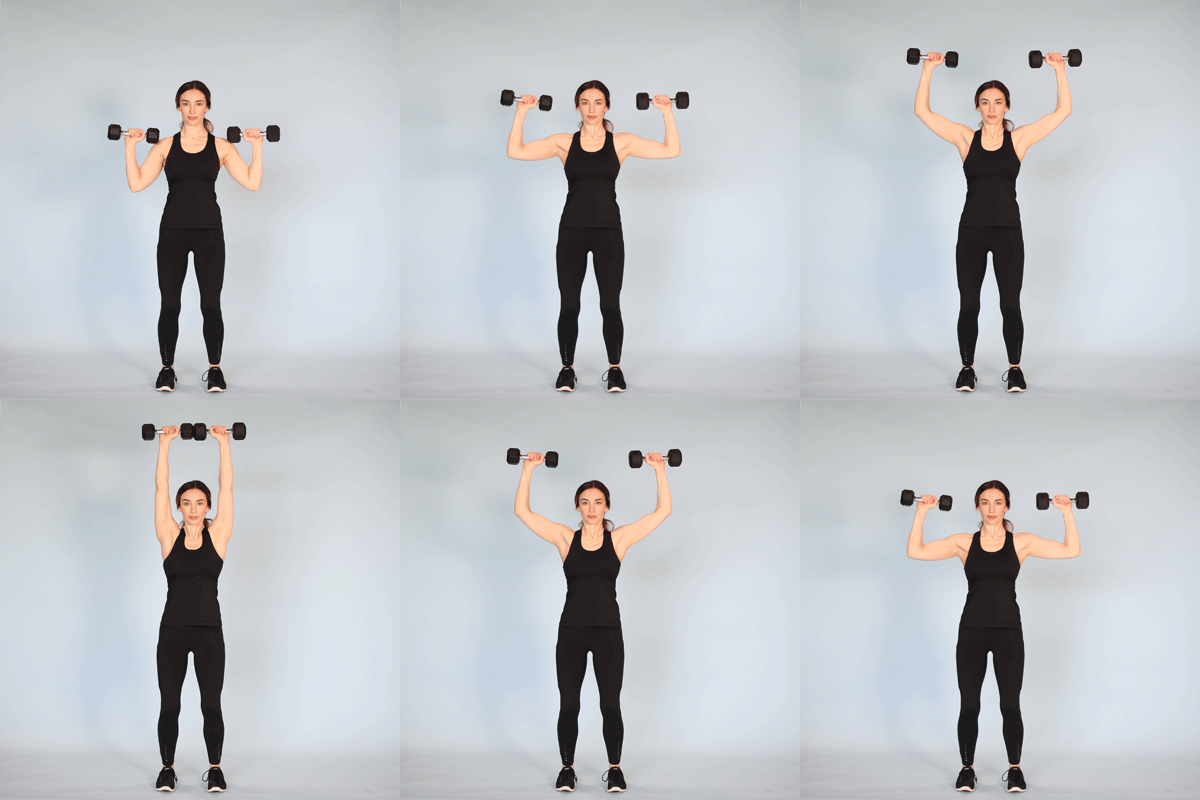
The standing overhead press strengthens the shoulders and arms while requiring the core to stabilize the body. This makes it both a strength and balance exercise.
Hold a dumbbell in each hand at shoulder height with palms facing forward. Engage your core and press the weights upward until your arms are fully extended overhead. Lower them slowly back to the starting position.
This exercise supports shoulder mobility, improves posture, and strengthens muscles used for lifting and carrying in everyday life.
5. Dumbbell Rows to Sculpt the Back
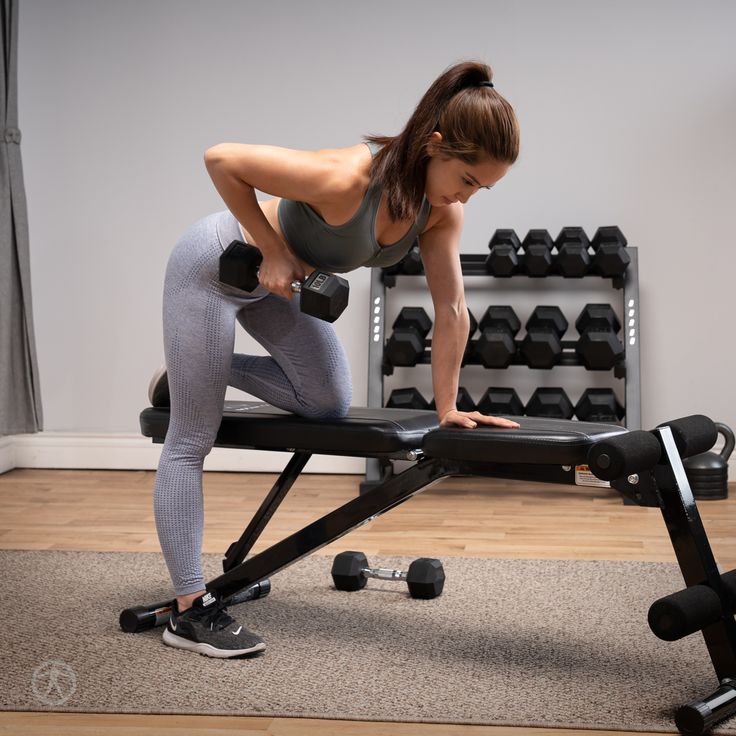
Dumbbell rows strengthen the upper back, shoulders, and arms while supporting spinal alignment. They are especially important for counteracting the effects of prolonged sitting and poor posture.
With a dumbbell in each hand, hinge forward at the hips with a flat back. Let your arms hang down, then pull one dumbbell toward your ribcage, squeezing your shoulder blade. Lower it with control and repeat on the other side.
Strong back muscles help reduce neck and shoulder tension and contribute to a balanced, toned upper body.
6. Single-Leg Deadlifts for Stability and Glutes
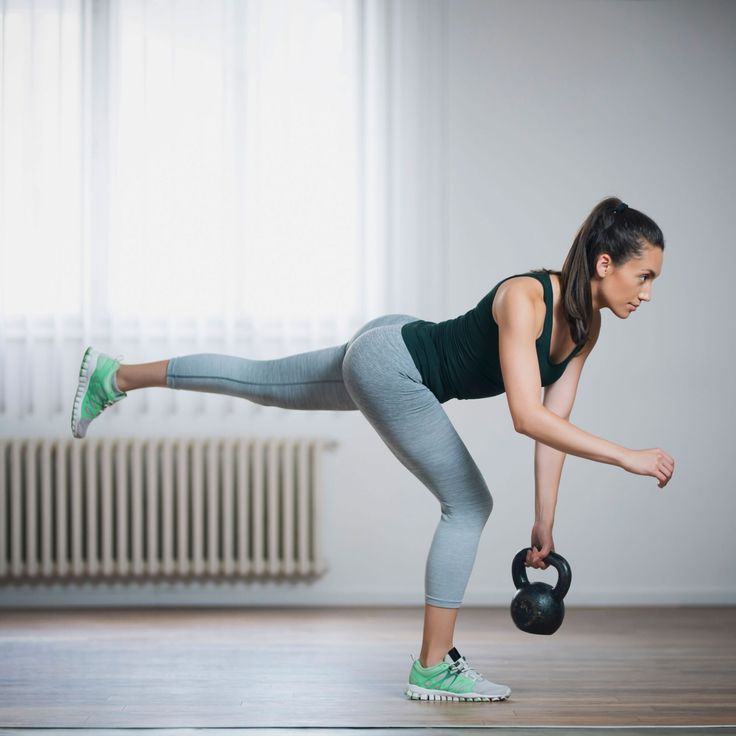
Single-leg deadlifts challenge balance and coordination while strengthening the glutes, hamstrings, and core. They are particularly effective for correcting muscle imbalances between sides of the body.
Stand on one leg with a slight bend in the knee. Hinge forward at the hips while extending the opposite leg behind you. Lower the weight toward the floor while keeping your spine neutral. Slowly return to standing.
This movement enhances body awareness and helps improve athletic performance and injury prevention.
7. Burpees for Full-Body Conditioning
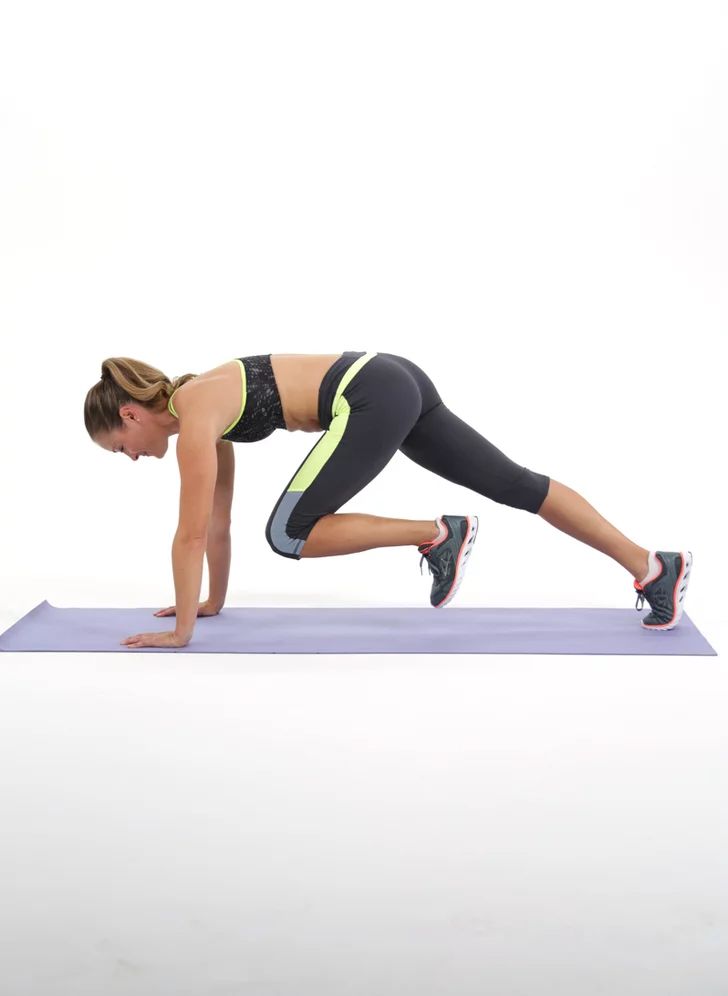
Burpees are a demanding, full-body exercise that combines strength and cardiovascular training. They engage nearly every muscle group while quickly elevating the heart rate.
Start standing, squat down, place your hands on the floor, and jump or step your feet back into a plank. Return your feet forward, stand up, and jump lightly.
Burpees improve endurance, coordination, and mental toughness. They can be modified to reduce impact while still delivering benefits.
8. Side Planks for Core and Hip Strength
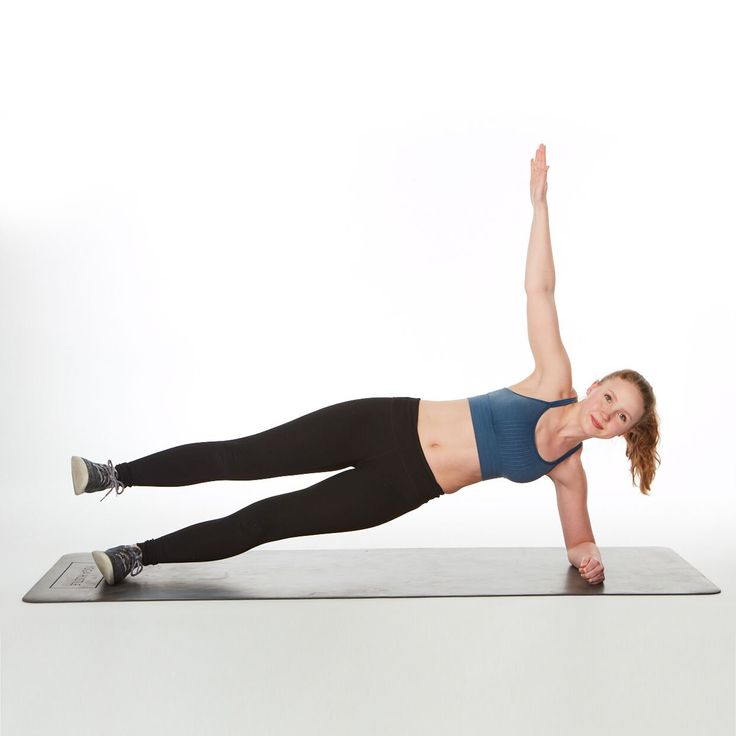
Side planks focus on the obliques, hips, and stabilizing muscles of the spine. These muscles play a crucial role in posture and injury prevention.
Lie on your side with your elbow under your shoulder and legs stacked. Lift your hips so your body forms a straight line from head to feet. Hold briefly before lowering.
Side planks can also be held for time rather than repetitions to increase difficulty.
9. High Planks for Total Core Engagement
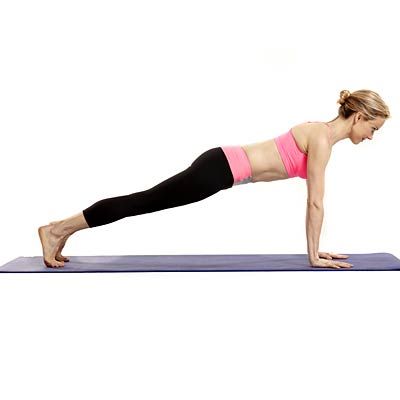
High planks strengthen the entire core while engaging the shoulders, arms, glutes, and legs. Unlike crunches, planks support spinal stability without excessive flexion.
Hold a pushup position with your hands under your shoulders and your body in a straight line. Engage your abdominal muscles and breathe steadily.
This exercise builds endurance and improves overall body control.
10. Glute Bridges for a Strong Posterior Chain
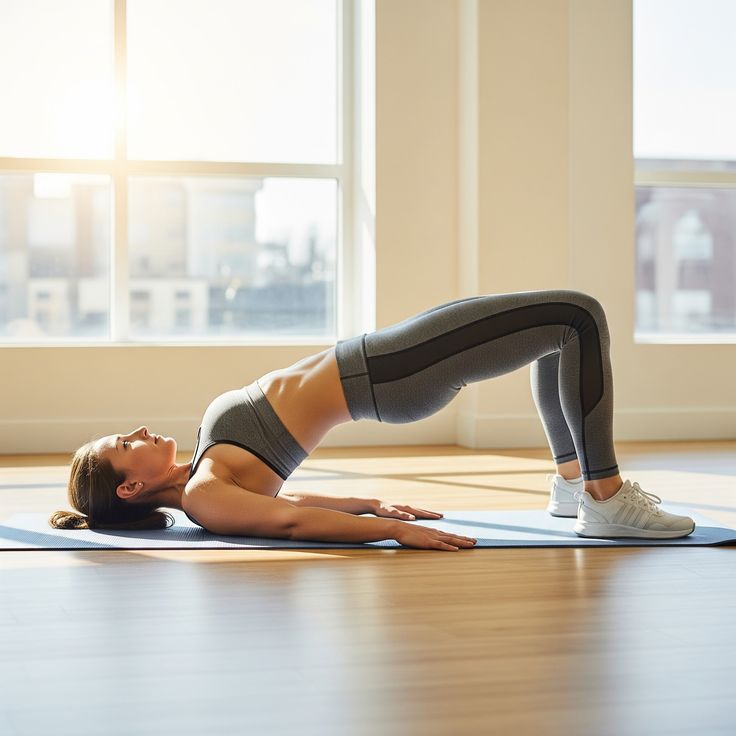
Glute bridges target the glutes, hamstrings, and lower back. These muscles are essential for posture, walking, and lifting movements.
Lie on your back with your knees bent and feet flat on the floor. Press through your heels to lift your hips while squeezing your glutes. Pause briefly at the top before lowering slowly.
Strong glutes help reduce strain on the lower back and improve overall movement efficiency.
How to Build a Sustainable Full-Body Routine
You can perform these exercises in sequence as a complete workout two to four times per week. Beginners may start with fewer repetitions and longer rest periods, while more advanced individuals can increase volume or intensity.
To continue progressing, consider adding resistance, slowing down each movement to increase time under tension, or turning repetitions into timed sets. Small adjustments keep the routine effective and engaging.
Final Thought
True body toning isn’t about chasing trends—it’s about mastering fundamental movements and repeating them consistently. These ten exercises create a strong foundation for long-term fitness, improved mobility, and everyday strength.
Stick with the basics, focus on form, and allow progress to build gradually. Your body will thank you for it.